Kiel McGowan
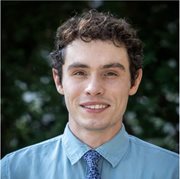
Kiel is a second-year medical student at the Boston University Chobanian and Avedisian School of Medicine, where he is pursuing his passion for improving health outcomes through clinical care and health research. His academic and research interests center on public health, infectious diseases, and pediatrics—areas in which he aims to make a meaningful impact through interdisciplinary approaches and community-based initiatives. Originally from Cambridge, Massachusetts, Kiel earned his Bachelor of Science in Public Health and Master of Public Health in Epidemiology from the University of Massachusetts Amherst. During his undergraduate and graduate training, he developed a strong foundation in biostatistics, study design and health disparities, which now informs his work as a future physician and researcher. Outside of his academic work, Kiel is committed to mentorship, community engagement and advocacy for equitable healthcare. He plans to continue integrating public health principles into his medical training and future clinical practice, with the goal of improving individual and community-level health outcomes through patient care and research.
Prevalence and patterns of polyparasitism among school-aged children in rural Northern Uganda: A cross-sectional study
Gulu Univerity
Uganda
What does the Kean Fellowship mean to you?
The Kean Fellowship afforded me an invaluable opportunity to engage in global health research in Northern Uganda, where I focused primarily on malaria and soil-transmitted helminth infections. This experience allowed me to contribute meaningfully to ongoing efforts addressing two of the most prevalent and impactful infectious diseases in the region. Through hands-on fieldwork, data collection and collaboration with local researchers and healthcare providers, I gained a deeper understanding of the epidemiology, challenges and community-level impacts of these diseases.
Receiving the Kean Fellowship was a tremendous honor, and I am deeply grateful for the doors it has opened for me, academically and personally. It not only supported my travel and research activities but also validated my commitment to pursuing a career at the intersection of medicine, public health and global health equity. The fellowship enabled me to apply my academic training in a real-world setting, develop cross-cultural communication skills, and better understand the importance of ethical, community-engaged research practices.
This experience has further solidified my passion for tropical medicine and strengthened my desire to work in partnership with communities affected by neglected diseases. I am committed to continuing the work that the Kean Fellowship helped initiate and to building a career focused on advancing health equity on a global scale.
What do you anticipate learning?
During my time in Northern Uganda, I gained invaluable experience in designing and implementing a research study within a healthcare system markedly different from the one I am familiar with in the United States. Navigating the challenges of conducting research in a resource-limited setting broadened my understanding of global health systems and deepened my appreciation for the adaptability and resilience required to carry out meaningful work in such environments. This experience not only strengthened my research skills but also reinforced my interest in working at the intersection of medicine and public health in underserved areas.
In addition to my research responsibilities, I had the unique opportunity to conduct laboratory work, attend medical school classes and shadow local physicians. These experiences provided me with a more comprehensive view of clinical education and healthcare delivery in Uganda, further enriching my understanding of global medical practice.
Beyond the academic and clinical exposure, living in Northern Uganda allowed me to immerse myself in a rich and vibrant culture. I formed connections with amazing people from diverse backgrounds and perspectives, helping to expand my worldview. This experience profoundly shaped my personal and professional goals, reinforcing my commitment to the field of global health.
What interests you about tropical medicine and what problems are you interested in solving?
My interest in tropical medicine began during my undergraduate studies, when I was first introduced to the complex and often overlooked field of neglected tropical diseases (NTDs). I was particularly drawn to the study of parasitic infections prevalent in endemic regions, not only because of their biological intricacies but also due to the profound and disproportionate impact they have on vulnerable populations.
As I have continued my academic and medical training, my fascination with parasitic diseases has only deepened. I am inspired by the possibility of contributing to a field where innovation, public health strategy and compassionate care intersect. It is clear to me that there is considerable opportunity for progress in the prevention, diagnosis and treatment of NTDs. A career dedicated to tropical medicine, particularly focused on parasitic infections, would not only be intellectually fulfilling, but also allow me to have a meaningful, lasting impact on communities with limited access to health resources.